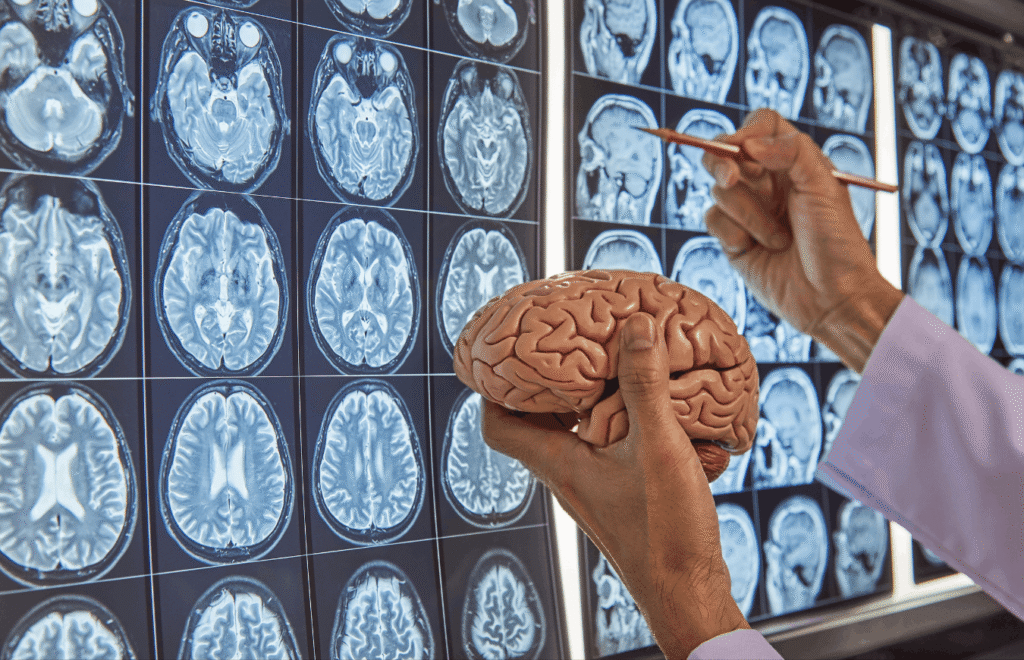
Stronger Regulation.
Clearer Thinking.
Real Momentum.

When effort alone is not creating consistency, non-invasive neuroscience-informed care helps the brain engage more fully so progress becomes steady and sustainable

Non-Invasive • FDA-Approved Where Applicable • Licensed Clinical Oversight • Integrated Within Structured Programs

NON-INVASIVE

FDA-APPROVED WHERE APPLICABLE

PEER-REVIEWED RESEARCH

LICENSED CLINICAL SUPERVISION

MEASURED APPLICATION

Care is applied intentionally, guided by structured clinical oversight and real-world progress indicators.

WHAT ARE NEUROSCIENCE TOOLS?

Neuroscience tools are non-invasive methods that help us understand how the brain is functioning and, when appropriate, strengthen its ability to regulate more effectively.

Many individuals work hard in therapy. They gain insight, learn tools, and understand patterns. Yet under stress, those tools can feel out of reach.

OFTEN, THE ISSUE IS NOT EFFORT.
IT IS REGULATION.

At Impact Minds, neuroscience services are available:

They do not replace therapy. They do not replace practice. They support the conditions that allow both to work more consistently.

"When regulation strengthens, skill application becomes more reliable."

WHY THIS MATTERS

Under stress, the brain’s survival response can override logic and emotional awareness. Someone may know what to do and still struggle to execute it.

Emotional responses become steadier

Focus improves under pressure

Reactivity decreases

Learning retention increases

Skills transfer more effectively into daily life

This is not about changing who someone is.

It is about strengthening the neurological foundation that allows growth to hold.

It is about strengthening the neurological foundation that allows growth to hold.

We work with most major insurance providers and accept hundreds of plans across the United States.

Coverage is verified before services begin so families can move forward with clarity.

For those who want deeper scientific context:

WHAT NEUROFEEDBACK DOES

A non-invasive method that helps the brain learn to regulate itself more effectively.

It begins with a brain map, a simple recording of current brain activity. This provides a snapshot of functional patterns at baseline.

There is no surgery, no sedation, and no electrical stimulation entering the brain.

Through structured feedback, the brain gradually shifts toward more balanced patterns.

OVER TIME, MANY INDIVIDUALS EXPERIENCE:

Neurofeedback strengthens the brain’s natural adaptability so regulation becomes more accessible.

TMS MAPPING AND INSIGHT SCANS

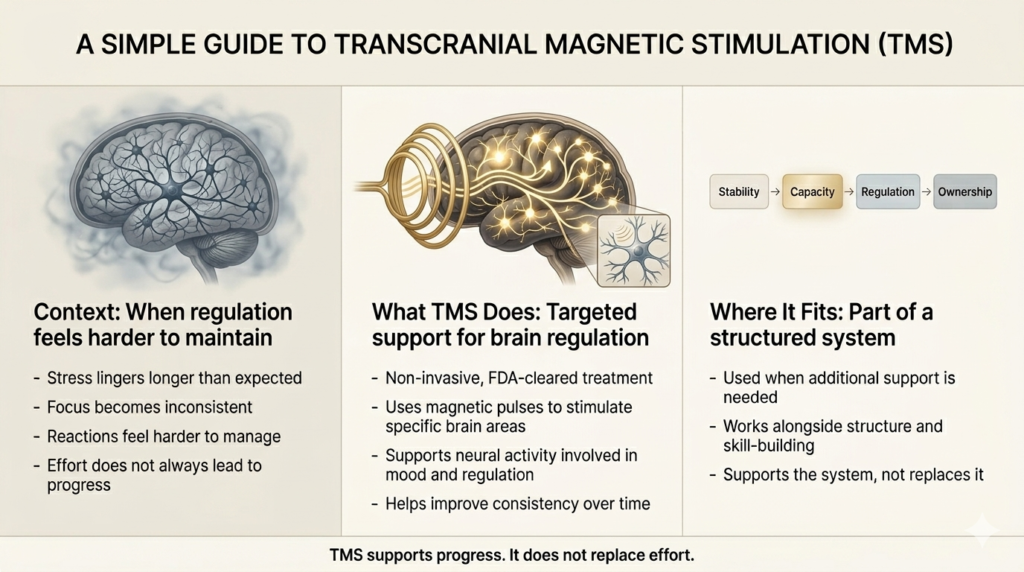
Transcranial Magnetic Stimulation (TMS) is a non-invasive,
FDA-approved method.

It uses targeted magnetic pulses to stimulate specific regions involved in mood and regulation. There is no surgery, anesthesia, or sedation.

Individuals remain awake during sessions. Most describe the sensation as light tapping on the scalp, and it is generally well tolerated. TMS mapping allows care to be precise and individualized.

TMS MAY SUPPORT:

Improved mood stability

Increased motivation

Enhanced responsiveness

Stronger regulation

The goal is not to override the brain, but to support areas that may be underactive so engagement and learning improve.

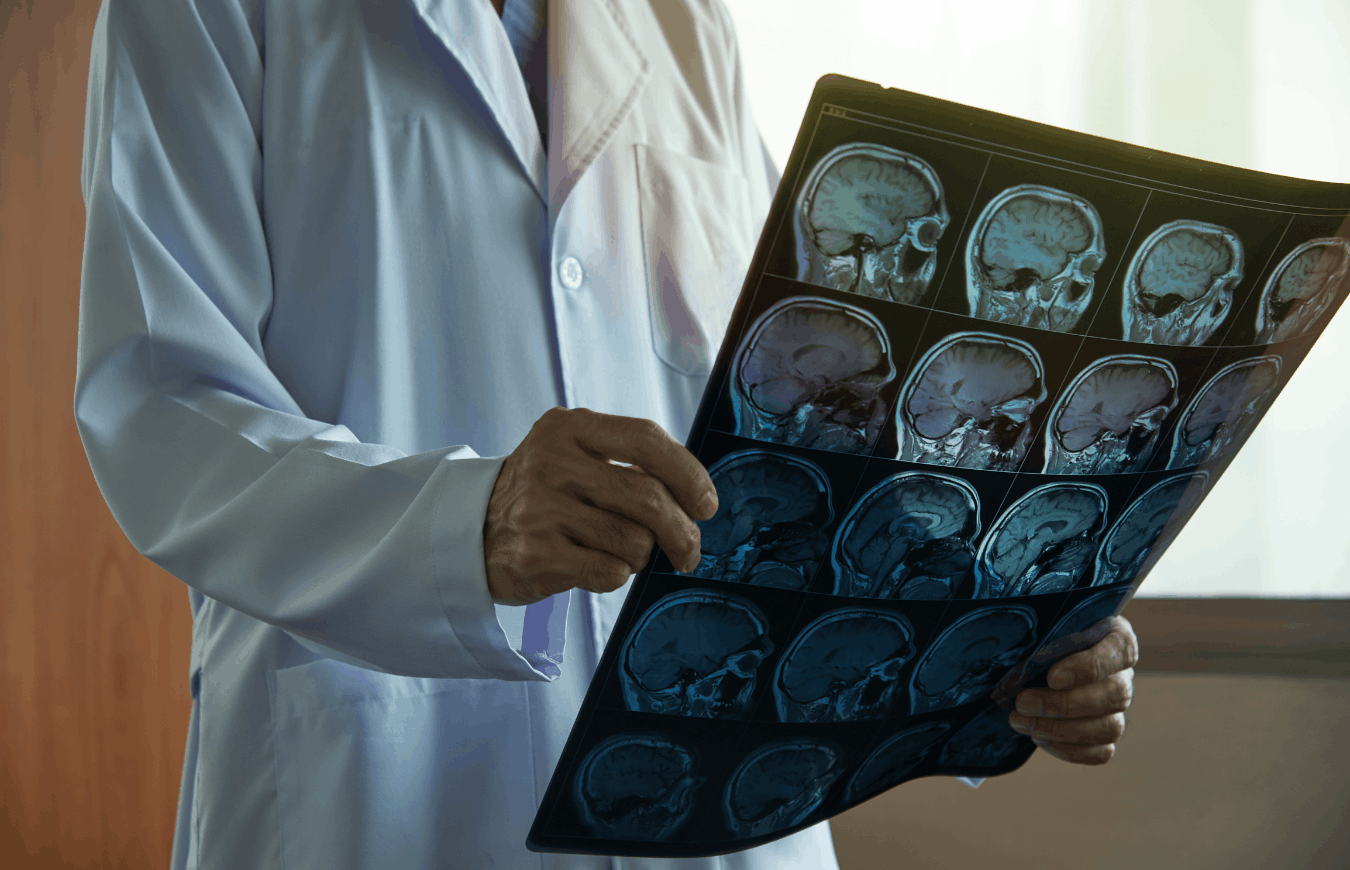
BEFORE AND AFTER BRAIN ASSESSMENTS

Objective indicators of change.

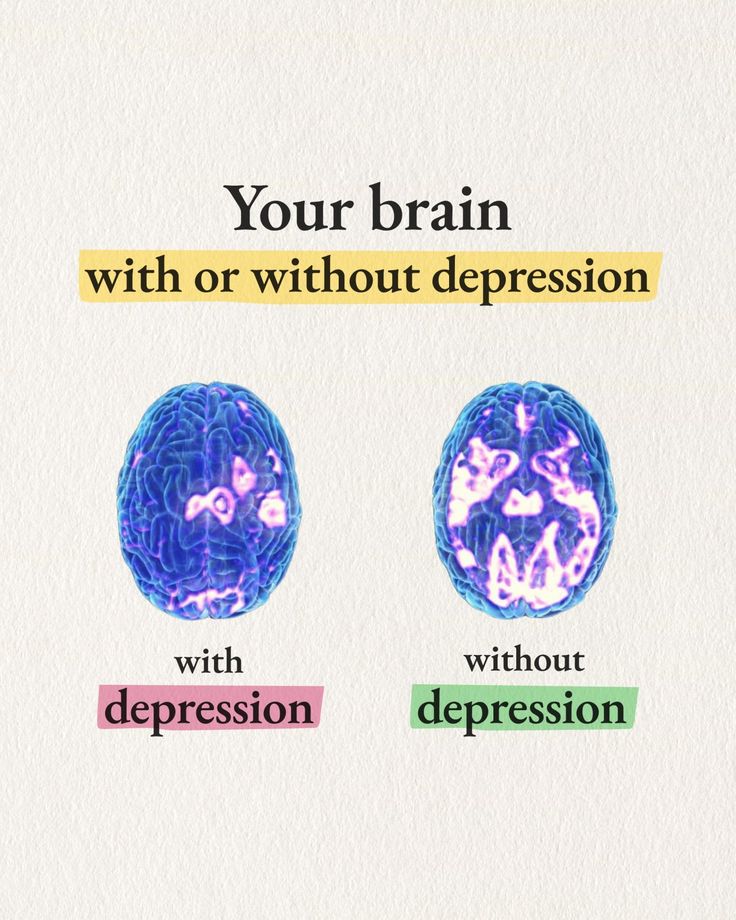
When clinically appropriate, brain-based assessments may be conducted before and after care to observe measurable shifts in functional patterns.

See objective indicators of change

Understand regulation improvements

Track momentum over time

Seeing actual evidence of change reinforces motivation and confidence.

Care adjusts intentionally based on both real-world functioning and neurological insight.

HOW NEUROSCIENCE SUPPORTS TREATMENT

Neuroscience tools enhance clinical
precision.

Rather than relying solely on subjective reports, functional patterns in attention, regulation, and responsiveness can be observed and monitored.

WHEN REGULATION IMPROVES, INDIVIDUALS ARE BETTER ABLE TO

THIS APPROACH STRENGTHENS THERAPEUTIC WORK BY:

It does not replace therapy.

It enhances its effectiveness.

HOW THIS FITS INTO PHP AND IOP

Integrated within our structured levels of care.

In PHP, where individuals attend five days per week, regulation is rebuilt through repetition and immersive structure. Neuroscience-informed support strengthens activation patterns so daily skill practice becomes more effective.

In IOP, where individuals balance care with school, work, or family responsibilities, neuroscience tools support regulation capacity outside the clinical setting, improving follow-through and stress recovery.

THE IMPACT MINDS ADVANTAGE FRAMEWORK:

Stability

Creating predictable structure so the nervous system can reset.

Capacity

Strengthening the body and brain’s energy to support regulation.

Control

Building practical skills that work under pressure.

Ownership

Developing consistency and confidence through follow-through.

When these pillars are built in sequence, progress becomes more durable and sustainable. Neuroscience support strengthens this foundation so engagement deepens and skills integrate more fully into daily life.

WHY IMPACT MINDS USES THIS DIFFERENTLY

Neuroscience tools are widely available.

Structured integration is not.

AT IMPACT MINDS, NEUROSCIENCE-INFORMED SERVICES ARE:

Technology alone does not create progress.

Intentional structure does.

We accept hundreds of insurance plans across the United States and verify benefits before services begin.

Starting does not require certainty. It begins with a conversation.

Understanding the brain changes how people approach growth.

When regulation strengthens, clarity increases.
When clarity increases, confidence grows.

We invite you to a new era of mental wellness.