

Nobody Heals in Isolation.
Family workshops that bring the people at home into the work, and community events that give everyone somewhere to belong once the session ends.
Come As You Are
Every event is planned with someone in mind — some for families, some for the people in our programs, some for fellow providers, and many for anyone who wants to come. Each listing says who it is designed for.
{{ calTitle }}
Nothing scheduled this day. Pick a date with a dot to see what is on.
Healing Happens Inside a Circle of People
Someone can do excellent work in a program and go home to a house that has not changed. The people around them love them and do not know what they are going through, what helps, or what quietly makes it harder.
So we bring those people in. Family workshops give the people closest to someone a way to understand the work and be part of it. Community events give everyone — participants, families, alumni, neighbours — a reason to keep showing up for each other.
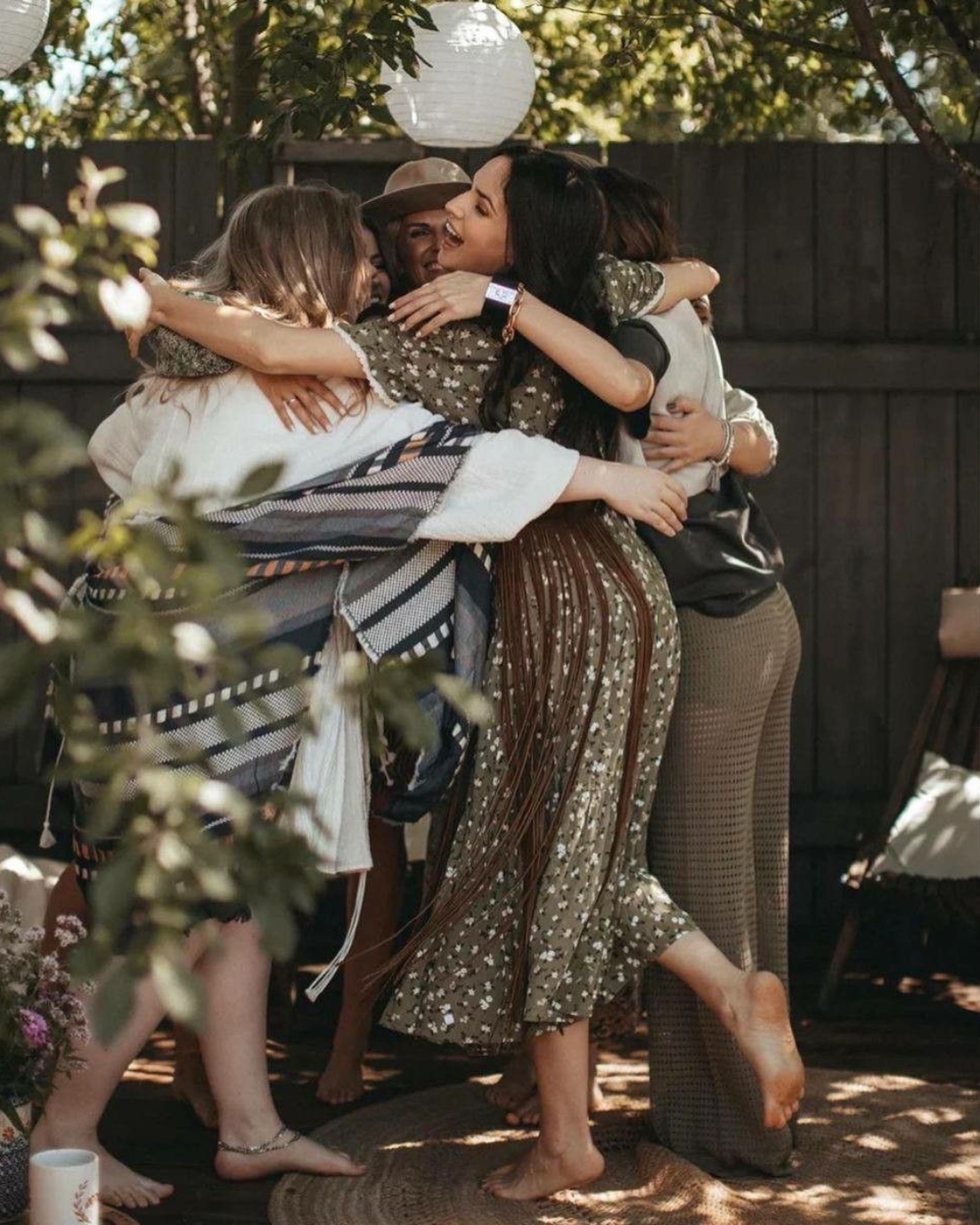
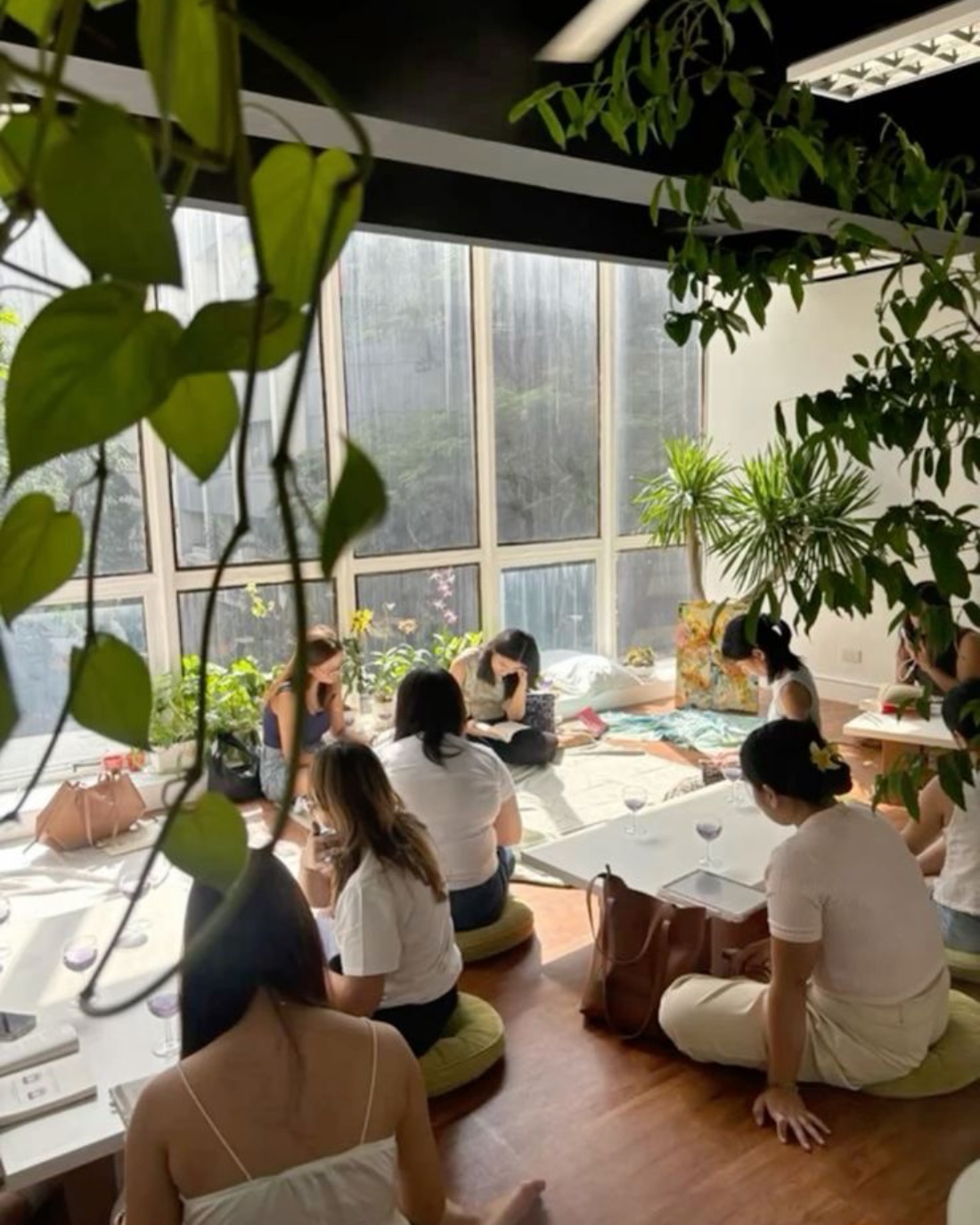
Families Get to Feel the Work, Not Just Hear About It
Whatever someone is working through in PHP, IOP, or RLA, the family workshop gives the people at home the chance to experience it too — what the work is, how it feels, and why it asks what it asks.
We invite specialists to present a topic, then open the floor. Families ask the questions they have not known who to ask, hear from other families in the same place, and leave with something concrete to do at home.
And it is not only about the person in treatment. Parents, partners, and siblings get to look at their own growth as well — because a household where everyone is learning is a much easier place to heal in.
Learn, Ask, Practice, Take It Home
A guest specialist or one of our clinicians presents one topic in depth — anxiety at home, screens and sleep, how to talk when someone shuts down.
Time for the questions families usually carry alone. No question is too basic, and many turn out to be the same question.
Families work alongside other families, which is often the first time they realise they are not the only ones in this.
Every workshop ends with a small, practical change to try at home — how to respond, what to stop doing, what to notice.
A Person Returns to Their Environment Every Night
Skills are built in sessions and tested at home. When the people around someone understand the work, every ordinary evening becomes practice instead of a setback.
Family · Peers & friends · Community
Family workshops · Community events
Isolation Is the Enemy
We are pack animals. People need one another — not as a nice extra, but as part of how the nervous system settles, how mood holds, and how a hard week stays survivable.
A shared interest gets people in the door. What keeps them well is what happens once they are there: the familiar faces, the person who noticed you missed last week, the conversation after class.
That is why our events happen in person. Dancing, yoga, Pilates, sound healing, or something else entirely — the activity is the reason to come. The connection is the reason it matters.
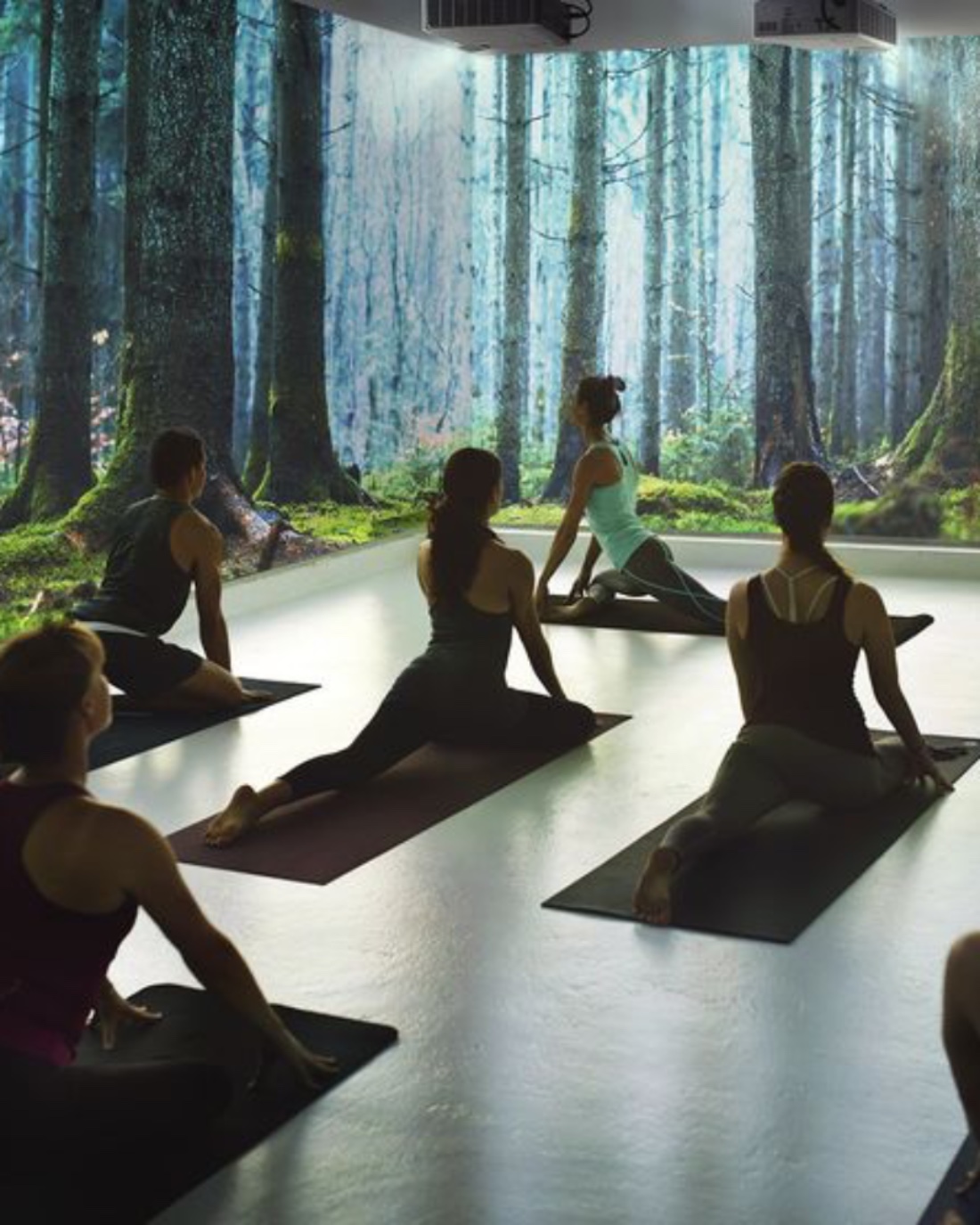
Something to Look Forward To
A date to look forward to is its own kind of structure — especially in the weeks after a program ends.
Relationships that form around a shared goal tend to be the ones that last — and the ones that notice when you are struggling.
Recovery that lives only in a clinic fades. A routine with people in it becomes a way of living.
Frequently Asked Questions


Nobody Does This Part Alone
Come see the rooms, meet the team, and ask what a week of individual and group work would actually look like for you.