Neurofeedback in Scottsdale, AZ

Neurofeedback in

Scottsdale, AZ

When patterns feel difficult to shift despite effort, structured feedback can help improve awareness, regulation, and consistency over time.

Impact Minds provides neurofeedback as part of an integrated system designed to support regulation, strengthen engagement, and improve real-world application.

Licensed Clinical Team • Clinical Oversight • Use of evidence-based approaches where clinically appropriate • Insurance Accepted

Questions about options or coverage? Start here.

NON-INVASIVE | FDA-APPROVED WHERE APPLICABLE | PEER-REVIEWED RESEARCH | LICENSED CLINICAL SUPERVISION | MEASURED APPLICATION
Functional Pattern Feedback

What Is Neurofeedback?

Neurofeedback is a non-invasive approach that involves monitoring brain activity and providing real-time feedback to support awareness of patterns over time.

It is often considered when individuals are actively working to improve their responses but continue to experience difficulty maintaining consistency.

Many people have awareness of their patterns and have developed strategies through counseling or therapy. The challenge is that applying those strategies consistently can feel difficult in the moment.

Neurofeedback is used within care to support awareness of patterns and may help individuals practice adjusting responses over time.

Rather than introducing new strategies, it provides structured feedback that is intended to help individuals recognize patterns and practice adjusting responses through repeated feedback. Neurofeedback focuses on learning through feedback over time rather than direct stimulation.

Neurofeedback may be incorporated into a broader clinical treatment plan when appropriate.

Available Delivery Models:

AS STAND-ALONE CARE

AS INTEGRATED SUPPORT WITHIN PHP AND IOP

“They do not replace therapy. They do not replace practice. They support the conditions that allow both to work more consistently.”

Real-Time Awareness Training

How Neurofeedback Works

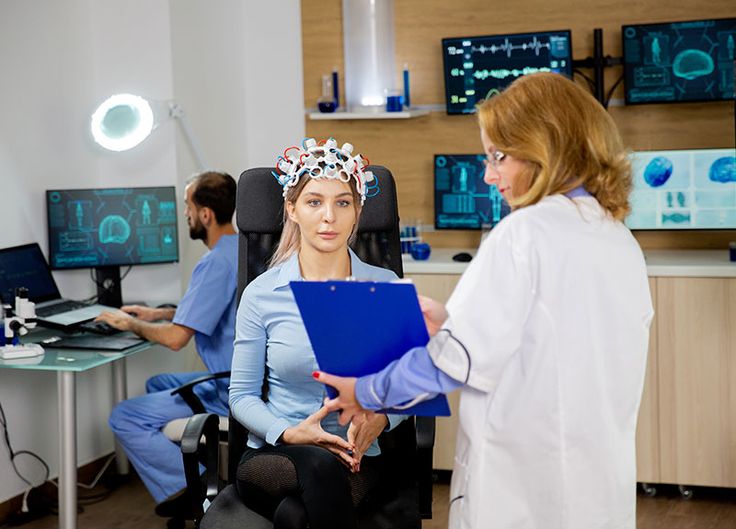
Neurofeedback involves measuring brain activity using sensors placed on the scalp. This information is then presented as real-time feedback, often through visual or auditory cues.


Individual experiences vary, but as individuals engage with this feedback, they may begin to recognize patterns and explore adjustments over time.


Sessions are repeated in a structured way, allowing individuals to practice regulation in a controlled environment.


This process is based on repetition and reinforcement. When certain patterns are recognized and adjusted during sessions, individuals may become more familiar with those responses and more able to access them outside of sessions.


Over time, some individuals report increased awareness of their responses and changes in how they adjust patterns during daily activities. Neurofeedback is used within a clinical plan when appropriate, and experiences vary based on individual participation and needs.

MONITORING

FEEDBACK

Who Should Consider Neurofeedback

Who Neurofeedback Is Designed For

Are working to improve regulation and consistency

Experience difficulty maintaining focus or engagement

Notice recurring patterns despite ongoing effort

Are participating in counseling or therapy and want additional support

It may also be appropriate for individuals who are not in crisis but want to improve how they respond, focus, and follow through in daily situations.

A consultation is used to determine whether neurofeedback is appropriate based on individual needs and clinical considerations.

Understanding the Distinction

How It Differs

Neurofeedback differs from other services in that it focuses on learning through real-time feedback rather than direct intervention or strategy development.

Counseling and therapy approaches such as CBT and DBT help individuals understand patterns and build strategies.

Neurofeedback may be incorporated into treatment planning to support participation and awareness during care through repeated feedback.

These approaches can work together within a structured system, where understanding, practice, and awareness reinforce each other over time.

If you are deciding between these approaches, you can review a full comparison here: TMS vs Neurofeedback: What to Know.

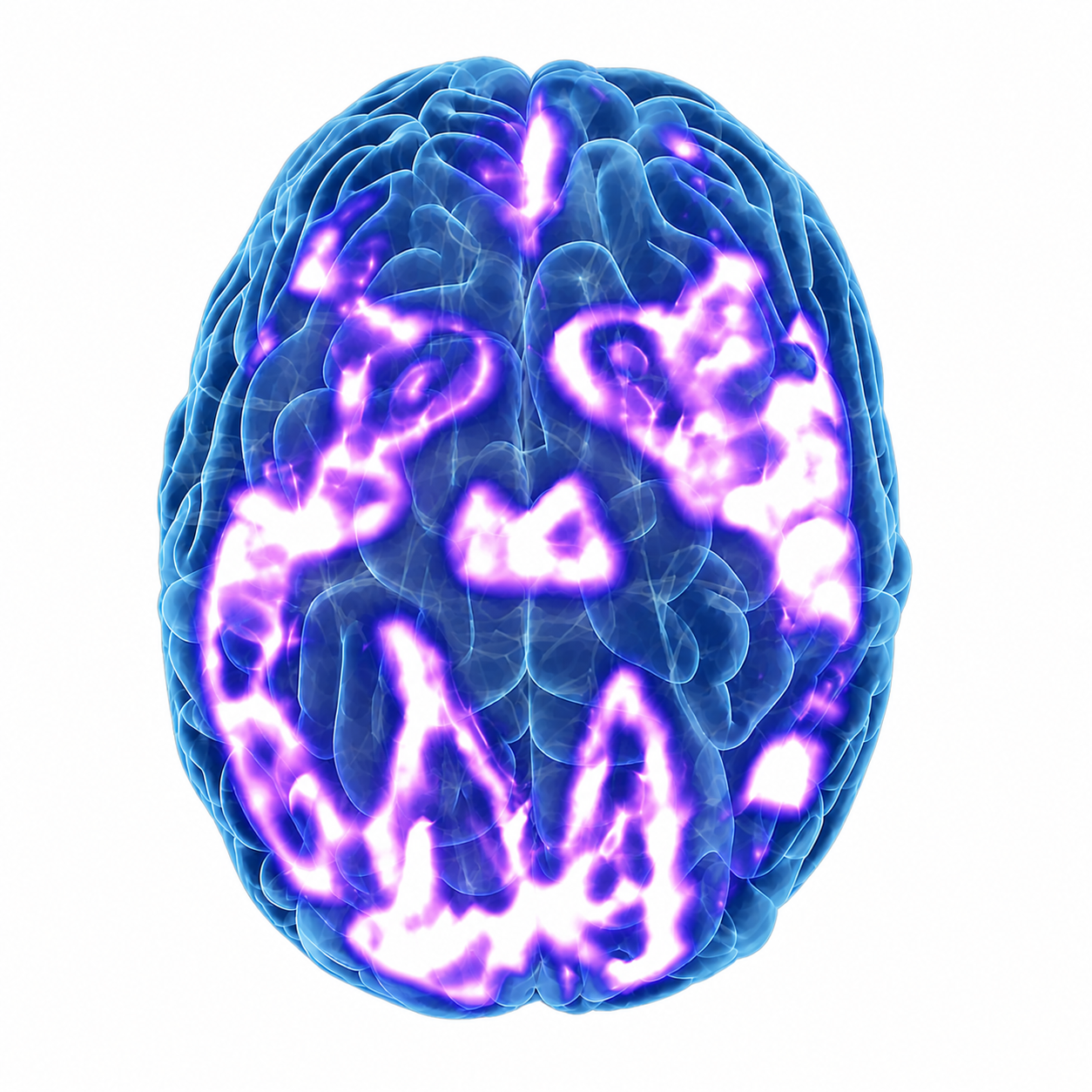
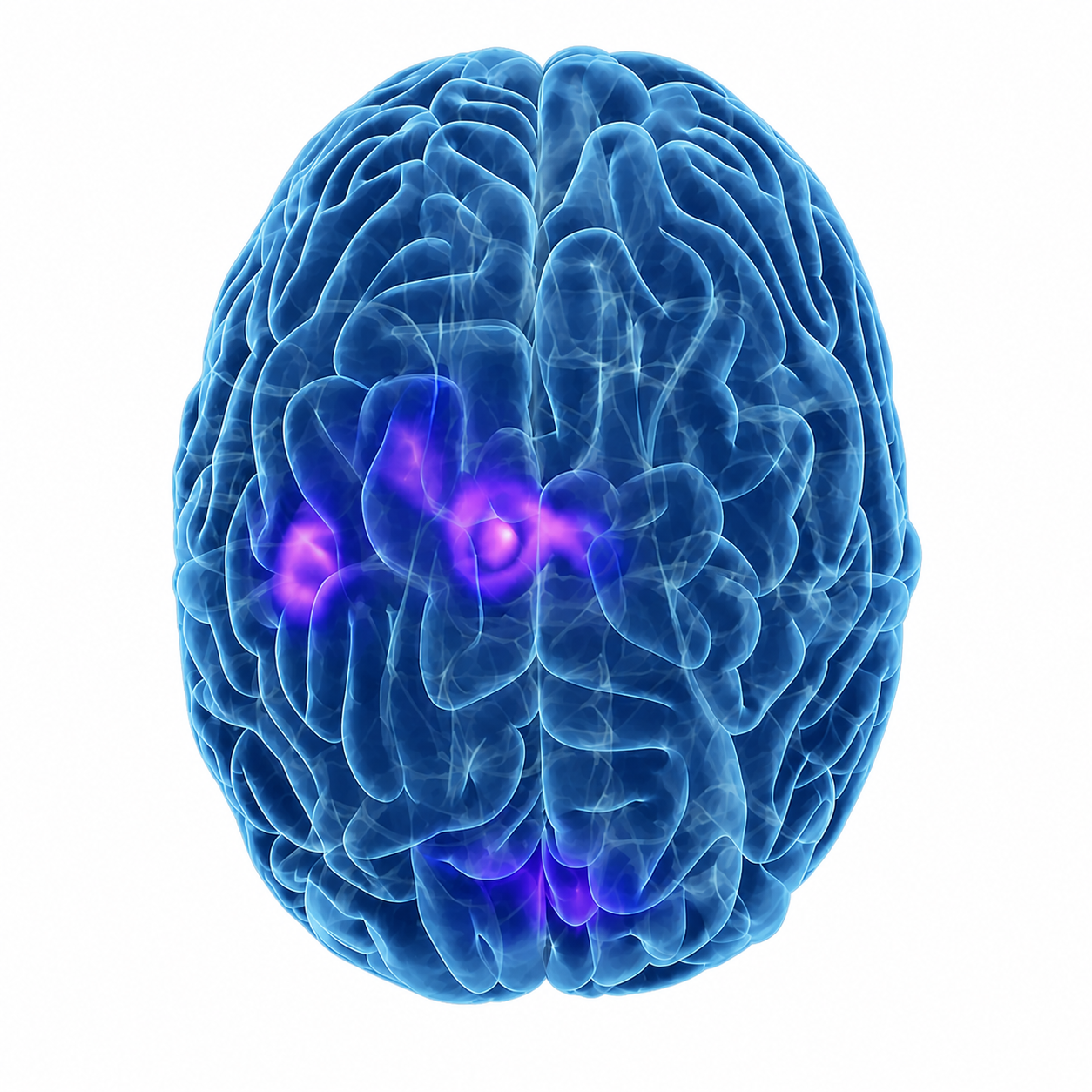
Non-Depressed Brain
Depressed Brain
Integration Approach

Integration Over Isolation

At Impact Minds, neurofeedback is not positioned as a standalone solution, though it may be provided as an element within integrated treatment. Instead, it is positioned within a broader ecosystem of care.

This means neurofeedback may work best when:

You have adequate nervous system stability to engage with the feedback process.

Concurrent support is available to address obstacles when they arise.

Your life structure supports consistent practice and application of neurofeedback principles.

A Structured Session Experience

What To Expect

Neurofeedback sessions are conducted in a structured, outpatient setting. During a session:

Monitoring

Sensors are placed on the scalp to monitor brain activity

Feedback

Feedback is provided in real time through visual or auditory signals

Engagement

Individuals engage with the feedback as part of a guided process

Sessions are administered by trained staff and may be integrated with other services when appropriate. The process is designed to provide repeated opportunities to observe and adjust patterns over time.

A consultation is used to determine whether neurofeedback is appropriate based on individual needs and clinical considerations.

Repeated Reinforcement

Session Structure Over Time

Sessions are typically scheduled consistently over a period of time to support repetition and familiarity. Early sessions focus on observation and engagement with the feedback process.

As sessions continue, individuals may become more familiar with recognizing patterns and making adjustments. This progression supports the ability to carry those adjustments into daily situations.

Most individuals remain comfortable and alert throughout sessions and can return to normal activities afterward.

Functional Pattern Shifts

How It Supports Progress

Individuals may notice functional changes such as:


Changes in awareness of patterns

Changes in how responses are adjusted in the moment

Changes in focus or attention

Changes in consistency of engagement

Changes in how strategies are used

These changes are typically gradual and develop through repeated exposure to feedback. Outcomes vary by individual and are not guaranteed. Neurofeedback is used as part of a broader clinical treatment plan when appropriate.

Integration Into Coordinated Care

Neurofeedback As Part Of A Structured System

At Impact Minds, neurofeedback is used within a coordinated system of care.

Stability

A structured setting supports observation of patterns without overwhelm.

Capacity

Practice extends across a wider range of situations over time.

Regulation

Recognition of responses supports more intentional adjustments.

Ownership

Skills are applied independently outside of sessions.

Acceleration

Neurofeedback may be incorporated into a broader treatment plan when clinically appropriate to support participation in care.

Synergistic Care Systems

Combining Modalities

Neurofeedback can be provided on its own or alongside counseling or other therapy services. Counseling and therapy provide structure and strategies. Neurofeedback supports awareness within that process.


Together, this allows individuals to:

  • Understand patterns
  • Develop strategies
  • Apply those strategies more consistently


“This combination helps connect understanding, practice, and awareness into a more complete process over time.”

A Gradual Progression

What Progress May Look Like Over Time

Progress with neurofeedback is typically gradual and develops through repeated practice. As these patterns repeat, consistency builds and supports continued progress over time.

Stability

Some individuals begin to notice increased awareness of patterns or responses. These changes may feel subtle but can reduce the effort required to recognize what is happening in the moment.

Mid Phase

Patterns may become easier to recognize and adjust in real time. Individuals may begin to notice more consistency in how they respond across situations.

Later Phase

Responses may feel more consistent across different situations, supporting steadiness in daily life. Adjustments may require less effort as familiarity increases.

Functional Improvements

Benefits Of Neurofeedback

Some individuals report changes such as these, developed through repeated exposure to feedback and consistent participation. Outcomes vary based on individual factors and participation.

Increased awareness of responses in real situations

Changes in how patterns are adjusted during activities

More consistent engagement in routines

Greater participation in structured tasks

Changes in how strategies are carried into daily life

Structure Over Isolation

Why Choose Impact Minds In Scottsdale, AZ

Many individuals recognize their patterns but continue to experience inconsistency in applying change.

At Impact Minds, neurofeedback is applied across a coordinated system of care to support real-world application. The same four pillars guide how progress develops: Stability, Capacity, Control, and Ownership.

Neurofeedback is used within this structure to support awareness and regulation. Structured environments and guided sessions help connect these changes to daily life.

As patterns become more recognizable, they become easier to adjust. Consistent adjustments support steadiness. Steadiness supports clarity. Clarity builds momentum over time.

Answers

Frequently Asked Questions

Neurofeedback is a non-invasive process that involves monitoring brain activity. A consultation helps determine whether it is appropriate.

Session frequency and duration vary based on individual needs and the treatment plan.

No. Neurofeedback may support awareness and regulation but does not replace structured skill development.

Yes. It may be provided as a standalone service when appropriate or integrated with other services such as TMS or counseling.

Services are provided in accordance with HIPAA and applicable privacy laws.

Neurofeedback services are provided as part of an individualized clinical approach when appropriate. Services are determined based on a clinical evaluation. Neurofeedback is a non-invasive, training-based approach and is not a medical treatment or diagnostic procedure. Outcomes vary by individual and are not guaranteed. Neurofeedback may be used alongside other behavioral health services when appropriate. Potential risks, benefits, and alternatives are reviewed as part of a documented informed consent process prior to initiating services.