Neurofeedback Therapy in Scottsdale, Arizona

Impact Minds provides neurofeedback therapy in Scottsdale. It’s a non-invasive treatment that trains brain activity to support focus and emotional regulation.

Licensed Clinical Team • Evidence-Based Care • Regulation-First Model • Insurance Accepted

Talk With Our Team

INSURANCE

We accept hundreds of plans nationwide

We work with most insurance providers and help you find the right option for your family with total clarity.

What Is Neurofeedback Therapy?

Neurofeedback therapy is a non-invasive treatment that trains the brain to regulate itself. It uses real-time monitoring of brainwave activity, shown back to the patient through visual or audio feedback.

Over time, this helps the brain build healthier patterns on its own. Neurofeedback is often used for ADHD, anxiety, trauma, and other conditions linked to irregular brain activity. It doesn’t involve medication or surgery, just guided brain training sessions.

Impact Minds offers neurofeedback therapy in Scottsdale, Arizona, using advanced, evidence-based technology. Ready to try a drug-free path to better brain health? Contact us today.

Neurofeedback Therapy Scottsdale, AZ

How Neurofeedback Works

Neurofeedback works in three simple steps.

  • First, sensors are placed on the scalp to monitor brainwave activity.
  • Second, this activity is shown back to you in real time, often through a video or sound.
  • Third, your brain learns to adjust itself based on that feedback, much like a mirror helping you correct your posture.

Over repeated sessions, these healthier brain patterns become more natural and long-lasting.

MONITORING

FEEDBACK

Conditions We Treat With Neurofeedback in Scottsdale, AZ

Helps calm overactive brain patterns linked to constant worry and stress.

Supports healthier brain activity tied to mood and motivation.

Improves focus, attention, and impulse control through brain training.

Trauma

Helps regulate brain activity disrupted by past traumatic experiences.

Sleep Issues

Trains the brain toward patterns that support deeper, restful sleep.

Stress & Emotional Regulation

Builds healthier responses to daily stress and strong emotions.

What Happens During a Neurofeedback Session

A typical session starts with sensors placed gently on your scalp. These sensors don’t send any signals into your brain, they only read activity. You’ll then watch a video or listen to sound that responds to your brainwaves in real time.

When your brain shifts into a healthier pattern, the feedback adjusts to reflect that. Most sessions last 30 to 45 minutes. You stay fully alert throughout, and can return to normal activities right after.

Is Neurofeedback Safe in Scottsdale?

Yes, neurofeedback is considered safe for most people. It’s non-invasive, meaning nothing is implanted or inserted, and no medication is involved. The sensors only read brain activity, they don’t send electrical signals into the brain.

Side effects are rare and usually mild, like brief tiredness after a session. At Impact Minds, neurofeedback is guided by trained professionals who monitor your progress at every step.

Impact Minds Facilities in Scottsdale

Why Choose Impact Minds For Neurofeedback Therapy In Scottsdale?

At Impact Minds, neurofeedback therapy is backed by modern tools and advanced technology built for accurate, reliable results. Our process follows proven, evidence-based protocols, so every session is purposeful, not guesswork.

Our Scottsdale facility offers a calm, welcoming environment where patients feel comfortable from the first visit. Sessions are guided by experienced therapists who understand how to adjust treatment to fit your progress.

We don’t just run sessions, we build a plan around you. With the right technology, the right team, and a space designed for comfort, Impact Minds makes neurofeedback a treatment you can trust.


How Neurofeedback Therapy Differs

Neurofeedback therapy differs from other services in that it focuses on learning through real-time feedback rather than direct intervention or strategy development.

Counseling and therapy approaches such as Cognitive Behavioral Therapy and Dialectical Behavior Therapy help individuals understand patterns and build strategies.

Neurofeedback may be incorporated into treatment planning to support participation and awareness during care through repeated feedback.

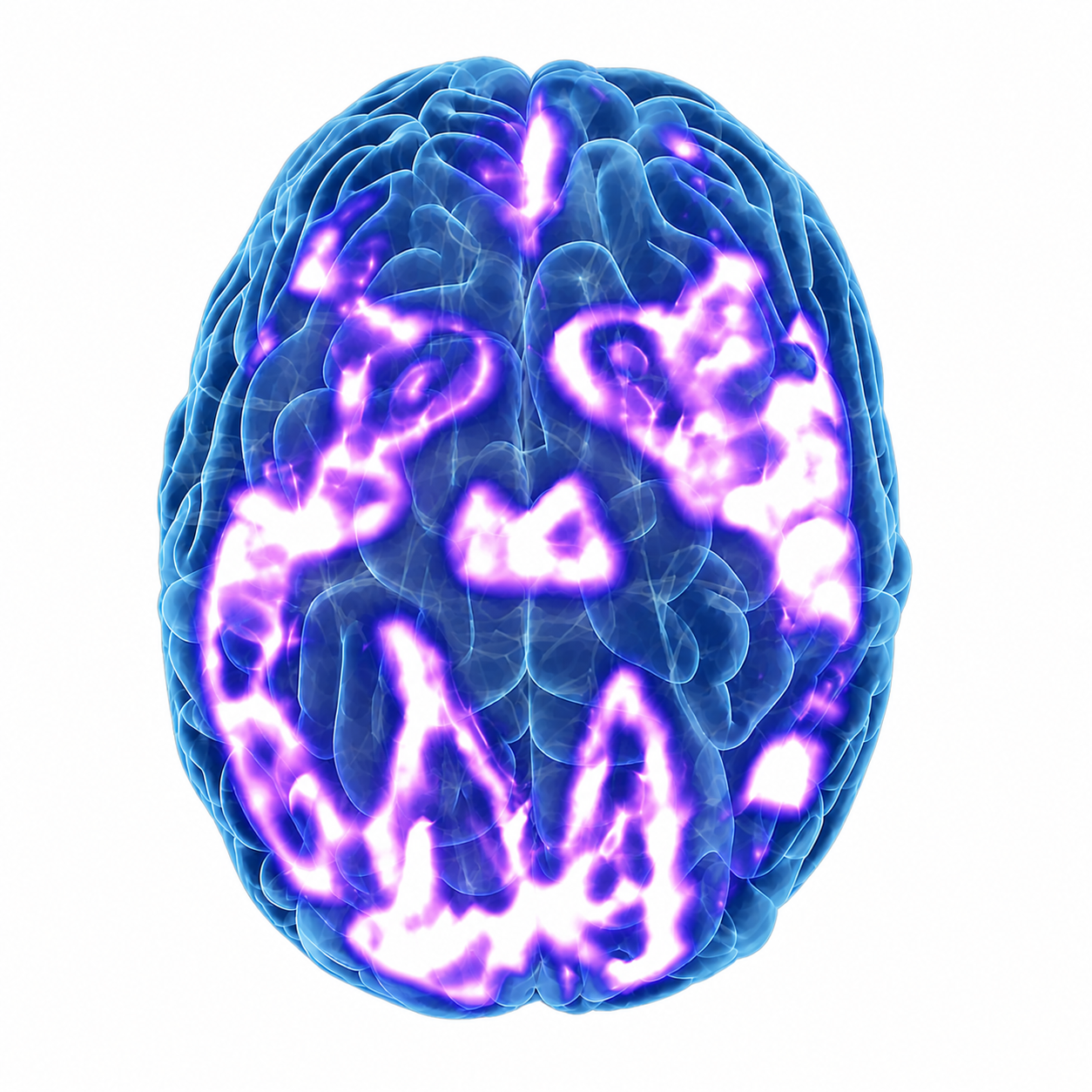
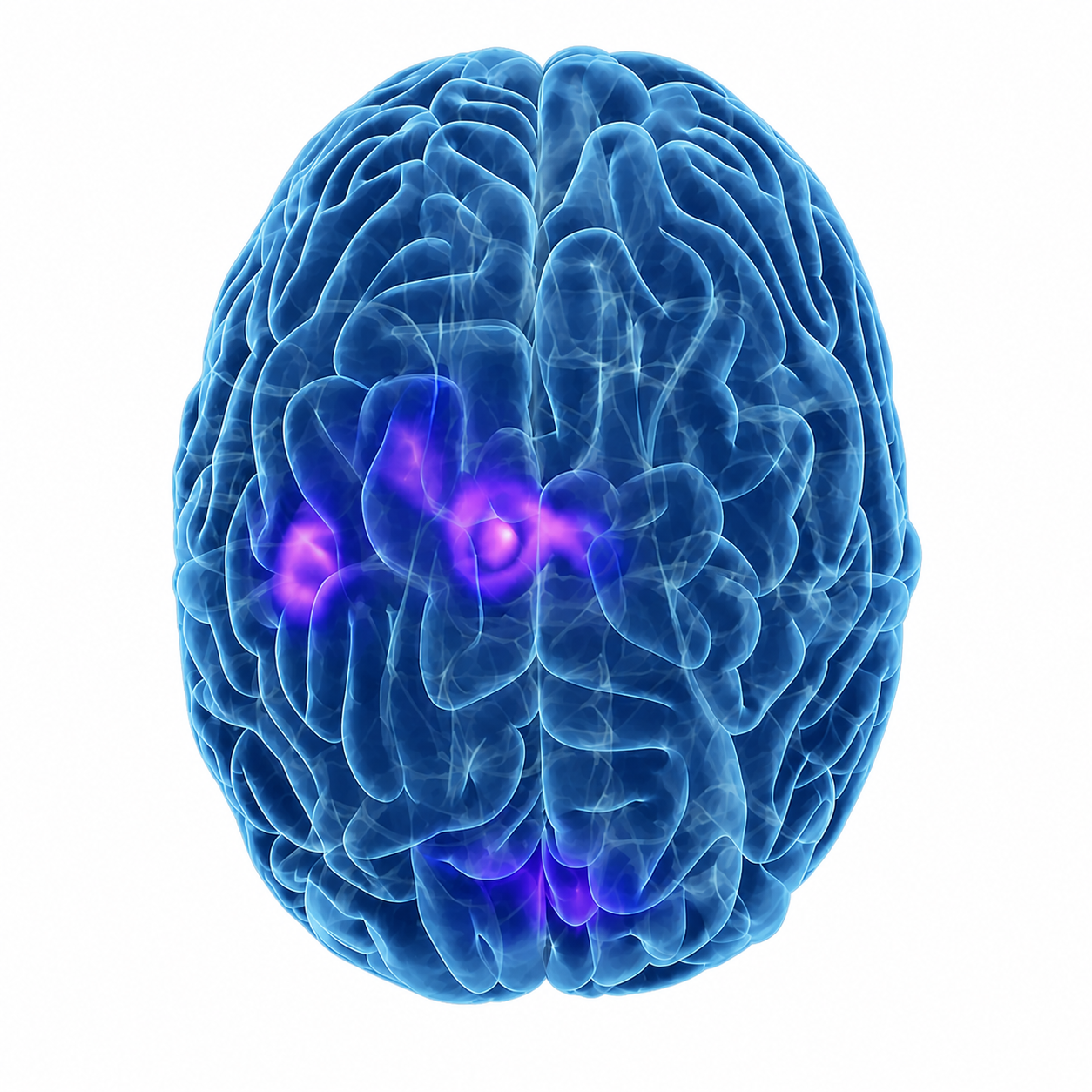
Non-Depressed Brain
Neurofeedback_Non-Depressed_Brain
Depressed Brain
Neurofeedback_Depressed_Brain

Benefits Of Neurofeedback

Increased awareness of responses in real situations

Changes in how patterns are adjusted during activities

More consistent engagement in routines

Greater participation in structured tasks

Changes in how strategies are carried into daily life

Frequently Asked Questions

Neurofeedback is a therapy that trains the brain using real-time feedback on brain wave activity. It helps improve focus, mood, and sleep. It’s often used for ADHD, anxiety, and other conditions.

Biofeedback therapy teaches people to control body functions like heart rate and muscle tension using real-time feedback. It helps reduce stress, anxiety, and chronic pain through better body awareness and self-regulation.

Neurofeedback helps treat ADHD, anxiety, depression, insomnia, and PTSD. It’s also used for migraines and stress-related conditions. It supports the brain in developing healthier, more balanced activity patterns over time.

Yes, neurofeedback is considered safe and non-invasive. It doesn’t involve medication or surgery. Most people experience minimal side effects, such as mild fatigue or headache, which usually resolve quickly after sessions.

Neurofeedback works by measuring brainwave activity and giving real-time feedback through sounds or visuals. Over time, the brain learns to self-regulate, improving focus, emotional control, and overall brain function.