When thinking becomes difficult, the body becomes the entry point. Movement can support access when it is needed most. When access improves, even small actions can begin to feel more possible.
A structured, movement-based environment designed to support regulation, engagement, and real-world consistency within a broader behavioral health program.
Movement Lab may be covered when clinically appropriate. We verify benefits before services begin.
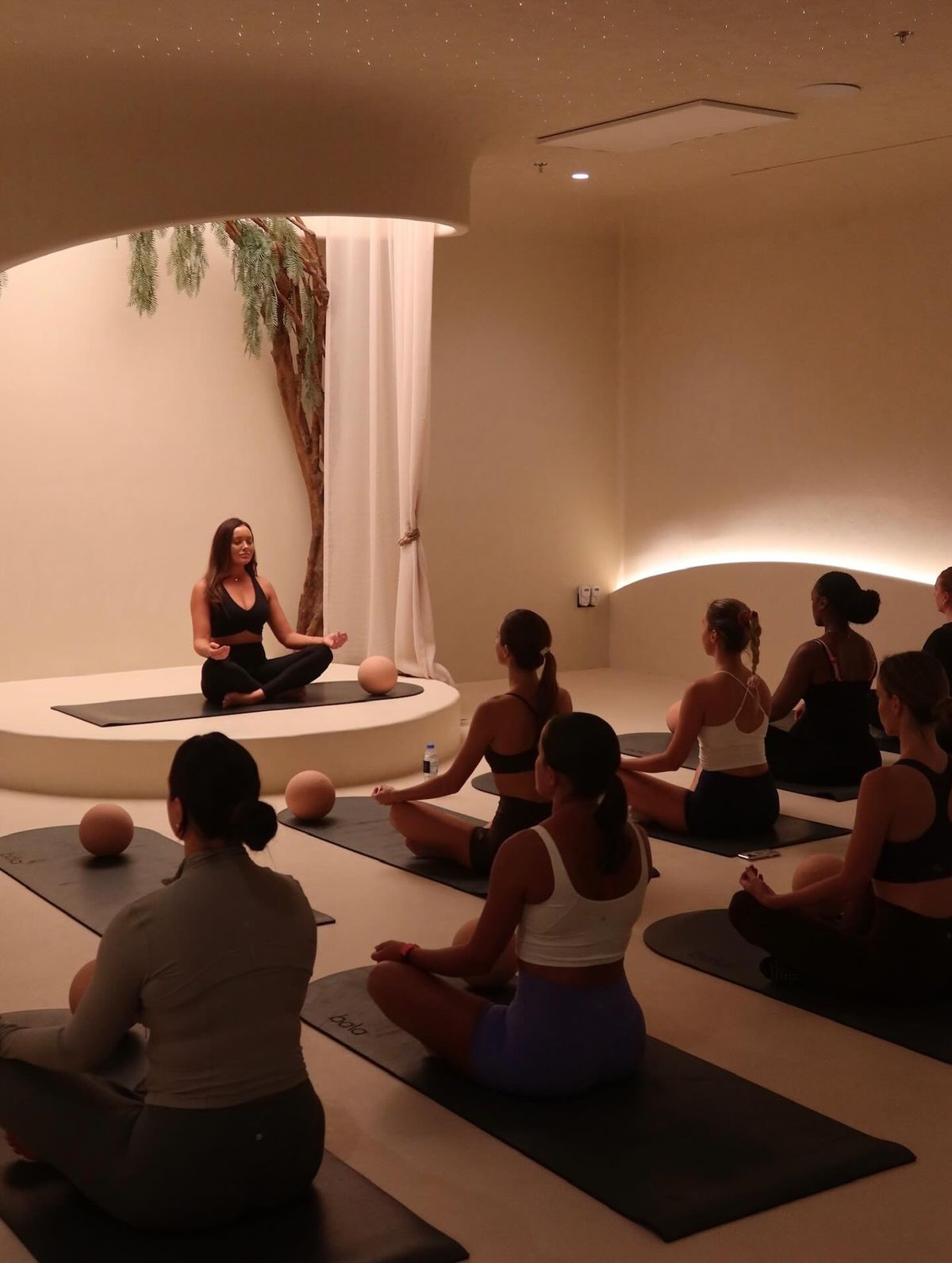
The Movement Lab is a structured, movement-based experiential component designed to support engagement and self-regulation skills within behavioral health programming.
It is not a workout. It is not performance-based.
It is a staff-guided environment where posture, breath, rhythm, and controlled movement are used to support awareness and skill application.
When incorporated into clinical programming, activities are coordinated with the individual’s treatment plan under licensed clinical oversight. When the nervous system feels stuck, forward motion can feel heavy. Movement-based activities may help shift that experience.
In this space, progress is experienced, not just discussed. Over time, physical shifts allow for smoother action initiation.


Stress is not only cognitive. It is often experienced through the body. It manifests as physical load.
It is possible to understand strategies in therapy and still have difficulty applying them in the moment under pressure.
When the system is overwhelmed, attention may narrow and decision-making becomes restricted. Movement-based activities are used toRetrain the nervous system, creating conditions where cognitive strategies are easier to apply.
Regulation also involves sensory experiences. The body often responds before conscious thought can intervene. Movement-based activities introduce structured sensory input to ground individuals.
STRUCTURED SENSORY INPUT INCLUDES:
Some structured approaches, including Neurofeedback, also use repeated input to support awareness and skill development.

Movement Lab is not a standalone service. It is integrated into a structured behavioral health model. Movement is one pathway used to support skill development over time.
Supports participation
Supports engagement
Supports intentional response
Supports consistency in life
The first changes are often physical. Breath may feel deeper. Tension may decrease. Energy may feel more stable. Then behavioral shifts begin to follow.
These outcomes are often supported by structured environments. Explore how this works in our Immersive Sensory Environments.
Structured, daily care where repetition builds regulation quickly. Repetition supports familiarity with skills.
Focus on strengthening application in real-world environments. Flexible settings support daily life application.
Leadership development built on a foundation of self-regulation and application-focused momentum.
Participation is based on individual needs and may be included in a broader treatment plan when appropriate. It supports preparation for cognitive work.
Participation is based on individual needs and may be included in a broader treatment plan when appropriate. It supports preparation for cognitive work.
Movement Lab may be considered when focus is inconsistent, energy fluctuates, or when talk-based approaches feel difficult to apply in real time. It is a powerful tool when follow-through feels inconsistent despite effort.
It may be used alongside other structured supports such as TMS or Neurofeedback when appropriate.

Progress is not immediate or linear.
At first, changes in engagement or awareness may feel inconsistent. Over time, they become more predictable with repetition. Consistency develops through practice and familiarity. Responses begin to feel more natural and less effort-driven.
Improved ability to stay engaged during sessions and increased awareness during stressful moments.
More consistent follow-through in daily activities. Familiarity reduces hesitation.

Movement Lab is informed by structured movement training principles and is led by Tjaša Novak.
Tjaša Novak serves as the Chief Experience Architect at Impact Minds. Her expertise in human performance and regulation allows for a unique integration of physical discipline and psychological safety. Her methodology ensures that every movement serves a purpose in the broader clinical narrative.
Chief Experience Architect • Movement Discipline Specialist • Experiential Integration Lead
Structured support can help create more consistent access to the skills you are
already developing.
EXPLORE RELATED OPTIONS:
Stronger than yesterday.
We invite you to a new era of mental wellness.
Disclaimer: Movement Lab is not a standalone medical or behavioral health treatment. It is a structured experiential component that may be incorporated into a broader program when appropriate. Individual experiences and outcomes vary.