
Through the Impact Immersive Regulation System™, cinematic visuals and adaptive sound create structured environments that support engagement, reflection, and steady progress within guided care.
Safety first. Insight second. Momentum follows.
Clinically Guided • Trauma-Informed • Multi-Sensory Design • Integrated Within Structured Care
Impact Minds integrates immersive, multi-sensory environments into structured clinical programming.
These are not relaxation rooms. They are intentionally designed spaces where visual, auditory, and environmental elements support emotional steadiness while clinicians guide structured reflection and skill-building.
Walls shift. Light adjusts. Sound adapts.
Each element is coordinated to reduce distraction and support engagement during care.
These environments are designed to support:
For many people, knowing what to say is not the problem. Staying present, open, and engaged during the work is where progress often slows.
Immersion here is not novelty. 1 It is a structured part of how care is delivered.

Struggle to open up in traditional settings
Feel overwhelmed or distracted during sessions
Understand their challenges but have difficulty applying tools
Need a more structured environment to stay present and engaged
Impact Minds developed the Impact Immersive Regulation System™ to coordinate environment, structure, and clinical facilitation.
This system includes:
Each element is designed to support participation during the work itself. Visual elements help maintain attention and reduce external distraction. Sound provides a steady, consistent backdrop that supports focus. Clinical facilitation translates the experience into practical, repeatable skills.
Many individuals report:
The environment supports the work. It does not replace it.

Immersive visual design that supports focus and engagement during therapeutic work.
Consistent, calm audio backdrop that supports steadiness and reduces distraction.
Expert facilitation that translates experience into practical, repeatable skills.
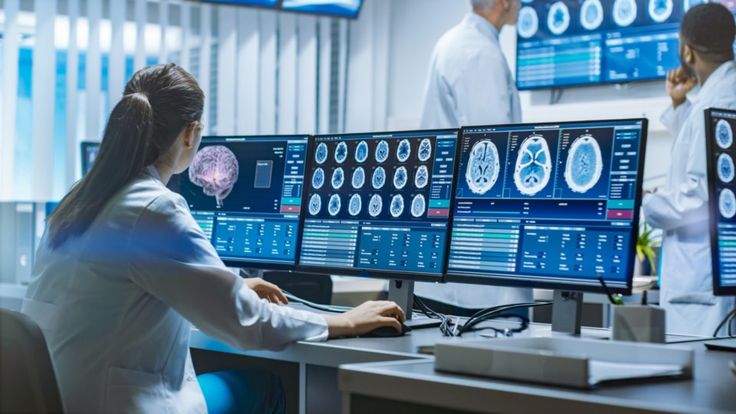
Technology in mental health should support clarity, not complicate it. 2
Adaptive sound and visual design are used to support focus and participation during sessions. It is non-invasive. It is subtle. It is integrated into structured care.
Participants do not need to understand the system. They experience a more supported environment that can reduce friction during sessions and make it easier to remain consistent with the work.
This supports:
This is not a standalone treatment or medical device. It is part of the therapeutic environment within clinical programming.
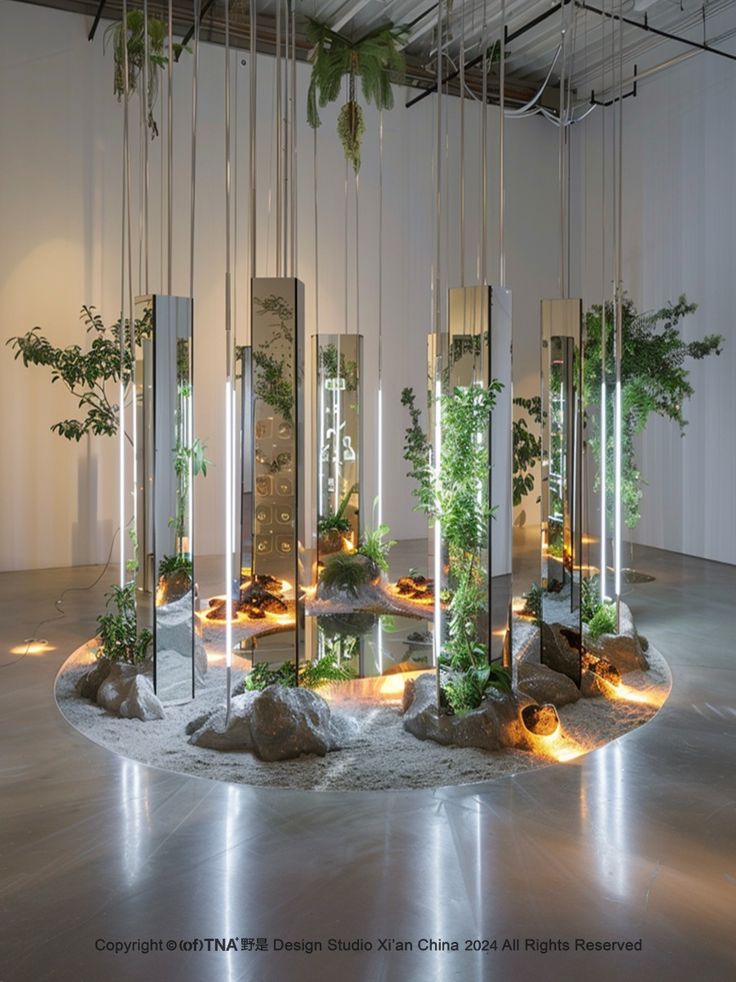
The environment influences how comfortable and engaged someone feels during care. This is especially relevant for individuals who feel guarded, distracted, or overwhelmed in traditional settings.
Traditional clinical spaces are often neutral. Neutral does not always support participation. When an environment feels structured and predictable, it becomes easier to stay present and engaged in the work.
Over time, this can support:
Environment is not decoration. 3 It is a supportive layer within the care experience.
Immersive environments are integrated within structured levels of care and support the broader Impact Minds framework. This framework is built on four pillars:
Establishing a consistent and predictable foundation that supports a sense of steadiness. This includes structured scheduling, clear expectations, and environments that reduce unnecessary variability.
Strengthening the ability to stay present, process experiences, and tolerate discomfort without becoming overwhelmed. This develops over time through repetition and supported practice.
Practicing regulation skills in structured environments where guidance is available. This includes applying tools in real time, not just understanding them conceptually.
Translating those skills into daily life with increasing independence. This is where consistency builds and progress becomes more self-directed.
Immersive environments primarily support Stability and Regulation by creating conditions that make it easier to stay engaged and practice skills during sessions. This strengthens the pace at which skills are practiced and applied over time. Acceleration is the Impact Minds Advantage. It supports consistent effort within this framework and helps momentum build more efficiently when structure and participation are aligned. This helps reinforce learning so it carries into daily life more reliably.
The design is best experienced in person. Most people know quickly whether the environment feels supportive once they step into the space. We invite you to schedule a private tour to walk through the environment, meet the team, and understand how the structure supports care. 4
Walk through the environment, meet the team, and decide if it feels like the right fit.
Walk through the environment, meet the team, and decide if it feels like the right fit.
Walk through the environment, meet the team, and decide if it feels like the right fit.
Walk through the environment, meet the team, and decide if it feels like the right fit.
Traditional Approach
Impact Minds Approach
Most outpatient programs are designed for conversation alone. Impact Minds integrates environments that support engagement during the work itself. This approach supports how individuals experience, practice, and apply skills over time.
Traditional rooms rely on conversation alone. These environments are intentionally designed to support focus and engagement during the work, which can make it easier to stay present and apply what is being practiced.
The environment is used alongside clinician guidance to support how sessions are experienced. Many individuals find it easier to stay engaged, follow through on exercises, and retain key concepts when the setting is aligned with the work. 5
The design is structured to reduce stimulation, not increase it. Lighting, sound, and visuals are paced and adjusted to support steadiness and comfort during sessions.
No. Therapy remains central. The environment supports the work being done with clinicians and helps reinforce learning during sessions.
Most people can tell early on whether the environment helps them stay more present and engaged. Changes build through repeated sessions as skills are practiced and applied over time.
No. The system is designed to be intuitive. Individuals simply experience a more supportive setting for participation and learning.
It is often helpful for individuals who feel guarded in traditional settings, become distracted or overwhelmed during sessions, or have insight but struggle to apply tools consistently.
Immersive sessions are integrated within structured programs and may be included when clinically appropriate. Coverage is verified in advance so next steps are clear.
Yes. The environment is non-invasive and used under clinician guidance as part of structured programming.
Yes. You can schedule a private tour to see the space, meet the team, and decide if it feels like the right fit. 6
Immersive environments are included within structured programming when appropriate. We verify benefits before services begin so next steps feel clear and manageable.
Final Note
Individual results vary. Services are designed to support mental wellness and are not guaranteed to produce specific outcomes.
Immersive environments are used as part of structured therapeutic programming and are not a standalone medical or device-based treatment.